Lifeway Foods, Inc.
Business Overview: Lifeway Foods, Inc. (Nasdaq: LWAY)
Executive Summary
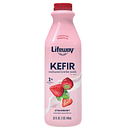
Lifeway Foods is the leading U.S. producer of kefir, a fermented probiotic dairy drink, along with adjacent cultured dairy products including farmer cheese and a children's probiotic line (ProBugs). The company has delivered sustained, strong growth: full-year 2025 net sales reached approximately $212.5 million, up 19% year-over-year on a comparable basis, continuing a multi-year streak of double-digit growth driven by expanding distribution into major U.S. retailers (including Amazon Fresh, BJ's Wholesale Club, and CVS) and broader consumer adoption of gut-health/probiotic products. Lifeway has built category leadership in a niche that has benefited from mainstream functional-food and gut-health trends.
1. Core Business Model & How They Work
Dairy Sourcing ➡️ Fermentation/Culturing (proprietary probiotic cultures)
        ➡️ Kefir & Cultured Dairy Production
        ➡️ Retail Distribution (grocery, club, drug, e-commerce)
        ➡️ Category Expansion (new retailers, flavors, ProBugs kids line)
        ➡️ Gut-Health/Wellness Trend Tailwind ➡️ Sustained Volume Growth
Lifeway monetizes through branded retail sales of its core kefir product, supplemented by farmer cheese and other cultured dairy lines, riding the broader consumer shift toward gut-health and functional/probiotic foods.
2. Business Segments
Lifeway operates as a single reportable segment, with revenue organized by product line:
                      Lifeway Foods, Inc.
                             │
        ┌─────────────────────┼─────────────────────┐
        │                      │                      │
     Kefir                 Farmer Cheese          ProBugs & Other
  (flagship product,                              Probiotic Products
  core growth driver)                              (kids line, newer SKUs)
3. Product Portfolio
| Product | Description |
|---|---|
| Lifeway Kefir | Flagship drinkable fermented probiotic dairy beverage, the company's primary growth driver |
| Farmer Cheese | Cultured dairy cheese product, a top-selling line alongside kefir |
| ProBugs | Kid-focused probiotic/kefir product line |
| Other Cultured Dairy Products | Additional probiotic and fermented dairy SKUs supporting category breadth |
4. Competitive Landscape
- Danone (Activia, other probiotic yogurts) — the largest global player in probiotic/functional dairy, competing for shelf space and consumer mindshare
- Chobani — major U.S. yogurt/dairy competitor expanding into adjacent functional dairy categories
- General Mills (Yoplait) — broad dairy/yogurt competitor with significant retail distribution scale
- Private-label kefir and probiotic dairy products — lower-priced retail store-brand competition in the kefir category specifically
Lifeway's primary advantage is its decades-long category leadership and brand association specifically with kefir in the U.S. market, a niche the larger yogurt-focused dairy giants have not prioritized to the same degree.
5. Strategic Strengths & Risks
Strengths
- Clear category leadership and strong brand association with kefir in the U.S. market
- Sustained double-digit revenue growth (+19% in FY2025) well above typical packaged-food industry growth rates
- Expanding retail distribution footprint (Amazon Fresh, BJ's, CVS) broadens addressable market
- Riding a durable, mainstream consumer tailwind toward gut-health and probiotic/functional foods
Risks
- Concentrated reliance on a single core product category (kefir) creates vulnerability if consumer trends shift
- Exposure to dairy input cost volatility, which can compress margins
- Competitive risk from much larger, better-capitalized dairy/yogurt companies (Danone, Chobani, General Mills) entering or expanding in probiotic dairy
- Retail concentration risk tied to a relatively small number of large grocery/club/drug retail partners
6. Financial Overview
| Metric | FY2025 | FY2024 |
|---|---|---|
| Net Sales | ~$212.5M (+19% comparable) | ~$178.6M |
| Q2 2025 Net Sales (Apr–May) | $37.6M+ (+10.7%) | — |
| Q2 2025 Guidance | $52–$56M | — |
Summary Conclusion
Lifeway Foods has built durable category leadership in U.S. kefir and probiotic dairy, translating a long-term functional-food consumer tailwind into sustained double-digit growth and expanding retail distribution. Its primary risk is concentration in a single core product category against the backdrop of much larger dairy competitors that could intensify competition in probiotic dairy over time.